Horaizon Orthopedic Implants
Orthopedic implants must perform reliably inside the human body, where a small manufacturing defect can have serious consequences. ISO 13485 gives medical-device organizations a structured quality management system for design, production, traceability, and corrective action. It does not guarantee a flawless implant. It does make responsibilities and records easier to examine.
The ISO Survey 2022 reported 38,138 valid ISO 13485 certificates across 104 countries. That figure shows the standard’s international reach, not proof that every certified supplier delivers identical quality. For an implant buyer, the practical questions remain specific: Can the supplier trace a titanium component to its lot? Are machining changes reviewed? Can nonconforming parts be contained before shipment? Details matter.
Why is ISO 13485 certification essential for orthopedic implants suppliers? Because it provides a disciplined way to control risks across a complex supply chain, from raw material certificates to final inspection records. WHO Director-General Dr. Tedros Adhanom Ghebreyesus has described medical devices as “essential for the prevention, diagnosis, treatment and rehabilitation of illness and disease.” That importance makes dependable processes more than paperwork. Certification is not a magic shield, though. Audits can miss weak habits, and a tidy procedure cannot replace sound engineering judgment. Suppliers should treat the system as daily work: checking a measurement, documenting a change, and investigating a failed test before the next implant leaves the factory.
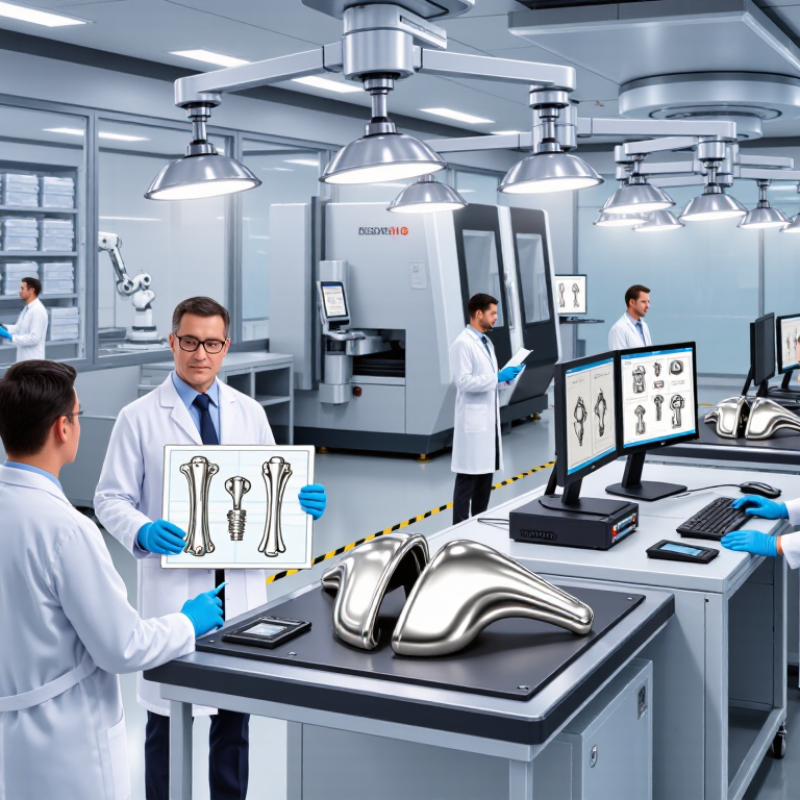
ISO 13485:2016 requires a documented quality management system, not proof that an implant itself is safe or effective. For orthopedic implant suppliers, controls should cover supplier qualification, material verification, production records, process validation, and corrective actions. A titanium lot, for example, should be traceable from its mill certificate through machining, inspection, and shipment. Small details matter.
The standard also expects risk-based thinking and controlled records. Suppliers must assess how changes to materials, equipment, or processes could affect device quality, then document approvals and verification. Where a process cannot be fully checked by later inspection, validation is essential. Think of cleaning or a specialized surface treatment. WHO’s 2022 Musculoskeletal health fact sheet estimates that 1.71 billion people live with musculoskeletal conditions worldwide. That figure does not predict implant demand, but it shows the scale of the health burden behind reliable orthopedic care. In practice, a polished procedure is not enough; operators need training, current work instructions, and evidence that controls work on the production floor. Records can still be incomplete, and audits should test the process—not just the paperwork.
Why ISO 13485 Matters for Orthopedic Implant Suppliers?
How the Standard Controls Implant Design and Manufacturing
An orthopedic implant begins as a set of design decisions: alloy grade, surface finish, dimensions, and allowable tolerances. ISO 13485 requires these decisions to be documented, reviewed, and checked against user and safety needs. Its risk-based controls also guide design changes, verification, and validation. The ISO Survey of Management System Standard Certifications (2022) recorded more than 30,000 ISO 13485 certificates worldwide. These are certificates, not a count of individual suppliers.
That framework continues on the factory floor. Suppliers must control drawings, approved materials, equipment, and production records. For a machined hip stem, this can mean linking a material lot to inspection results and the finished device. Special processes, such as cleaning or coating, need validation when later inspection cannot fully confirm the result. Traceability matters. So do supplier reviews and corrective actions when a measurement drifts. Paperwork alone is not control; teams must use it to spot real process failures.
Tips: Ask suppliers how they handle drawing revisions, material certificates, and nonconforming parts. Review a sample production record, not just the procedure. A gap can hide in a very tidy file.
Orthopedic implants rely on more than sound design. A titanium stem, fixation screw, or porous coating can be affected by inconsistent alloy chemistry, machining, cleaning, or packaging. ISO 13485:2016 requires controls for purchased products and suppliers, including defined selection, monitoring, and reevaluation. ISO’s 2022 Survey of Certifications reported 34,984 valid ISO 13485 certificates worldwide. That figure shows broad adoption, not supplier performance or product quality. Certification is a starting point.
Effective supplier management makes requirements visible at each handoff. A supplier file should link approved specifications to material certificates, lot numbers, inspection results, and change notifications. For example, receiving staff should be able to trace a bar of titanium from its mill certificate to the implant batch that used it. Risk-based audits and incoming checks can reveal drift before it reaches production. But paperwork can look complete while a process has changed quietly. Records need verification, not just filing.
Tips: Define critical-to-quality features, such as alloy grade and surface finish, in purchase specifications. Set clear rules for supplier changes, then review evidence before approving them. Keep lot traceability practical and test it with a sample record. A spreadsheet alone is not enough. ISO 13485 provides a framework; teams still need judgment, especially when evidence is incomplete.
For orthopedic implant suppliers, ISO 13485 provides a structured quality management system for making and documenting medical devices. It helps translate regulatory expectations and customer specifications into controlled procedures, from incoming titanium inspection to final release records. Traceability matters. If a screw’s material lot, machining history, or inspection result cannot be linked, a customer may struggle to assess a concern quickly. Certification indicates that a quality system has been audited within a defined scope; it does not mean every implant is automatically approved or defect-free.
The standard also supports customer qualification. Device manufacturers may request evidence of supplier controls, calibrated measuring equipment, validated processes, staff training, and corrective actions. Clear records help answer practical questions: How was a coating change reviewed? How were parts affected by a dimensional deviation contained? These details can make audits more focused and help customers evaluate how risks are managed. Documentation is useful, but it cannot replace sound decisions on the production floor.
Requirements vary by market and contract, so ISO 13485 certification alone does not meet every applicable rule or customer clause. Suppliers should map the standard against current obligations and confirm that the certification scope covers relevant sites and activities. Paperwork can look tidy while practice drifts. Regular floor checks and candid reviews help uncover gaps before they affect product quality or customer confidence.
Orthopedic implants depend on stable processes, not just careful work at the final inspection. A small change in machining, cleaning, or packaging can affect a component’s fit or surface condition. ISO 13485 provides a framework for controlling these steps and reviewing whether controls remain effective. During an audit, teams can examine training records, equipment checks, and corrective actions alongside the actual production process. Auditors can compare a traveler sheet with the implant lot moving through the facility. That is not always comfortable.
Traceability then connects a finished implant to its material lot, process history, inspection results, and release decision. If a complaint or process deviation occurs, these records help teams identify affected products and investigate the cause. Records are not enough. The harder task is keeping them accurate when suppliers, operators, or procedures change. A missing signature or vague rework note may seem minor, yet it can weaken an investigation months later. Teams may discover that their forms capture completion but not the reasoning behind a decision. That finding deserves attention, not a quick patch. Repeated audits can reveal whether corrective actions actually reduced recurrence, while traceability makes the evidence usable over time.
It requires teams to document alloy grade, surface finish, dimensions, and tolerances. Design changes must be reviewed and checked against safety needs.
Suppliers control drawings, approved materials, equipment, and production records. For a hip stem, a material lot should link to inspection results and the finished device.
It helps teams connect a screw to its material lot, machining history, and inspection results. Records matter.
They may need process validation when later inspection cannot fully confirm the result. A coating change should have a clear review record.
Ask about drawing revisions, material certificates, and nonconforming parts. Review a sample production record, not only a procedure.
No. It shows that a quality system was audited within a defined scope. It does not guarantee every product is free of defects.
They can provide records for calibrated equipment, staff training, validated processes, and corrective actions. A tidy file can still hide a weak habit.
No. Requirements vary, so suppliers should check current obligations and confirm the certification scope covers relevant sites and activities. Floor checks still matter.
Why is ISO 13485 certification essential for orthopedic implants suppliers? Because it provides a structured quality management framework for controlling the processes that affect implant safety, consistency, and performance. The standard guides suppliers in managing design and manufacturing activities, documenting decisions, checking production controls, and addressing risks throughout the product lifecycle. It also encourages careful qualification and monitoring of material and component suppliers, helping ensure that incoming items meet defined requirements before they are used.
Certification can support customers’ quality expectations and help suppliers demonstrate alignment with applicable regulatory requirements. It does not replace product-specific reviews or regulatory approvals, but it shows that quality processes are systematically managed. Regular audits, accurate records, and traceability help teams identify issues, investigate their causes, and verify corrective actions over time. Together, these practices support dependable operations and strengthen confidence in the quality of orthopedic implants and the components used to produce them.
