Horaizon Orthopedic Implants Horaizon Orthopedic Implants

5 Best Tips for Choosing Spine and Joint Implants?

Time:2026-09-13 Author:Aria
0%

Selecting a spine or joint implant is not a simple shopping decision. It can affect movement, comfort, recovery, and future treatment options. The best choice depends on anatomy, diagnosis, bone quality, activity level, and the surgeon’s experience.

This guide explains How to choose orthopedic implants for spinal and joint procedures through five practical considerations. It examines implant design, materials, clinical evidence, manufacturer reliability, and long-term support. A titanium spinal cage may look ideal on a product sheet, yet its fit must match the patient’s imaging and surgical plan. A knee implant may offer advanced materials, but alignment and soft-tissue balance remain equally important. Small details matter.

Evidence matters more than advertising. Clinicians should review peer-reviewed studies, regulatory authorization in the relevant market, reported outcomes, and documented safety information. They should also consider whether the implant system has appropriate instruments and dependable technical support. No checklist is perfect. Patient goals can change, and published evidence may not answer every individual question.

A responsible decision includes honest discussion about benefits, risks, alternatives, expected recovery, and possible revision surgery. The surgeon’s judgment is essential, but it should not stand alone. Patients deserve clear explanations and time to ask difficult questions. Choosing an implant is a shared clinical decision, not a race toward the newest device.
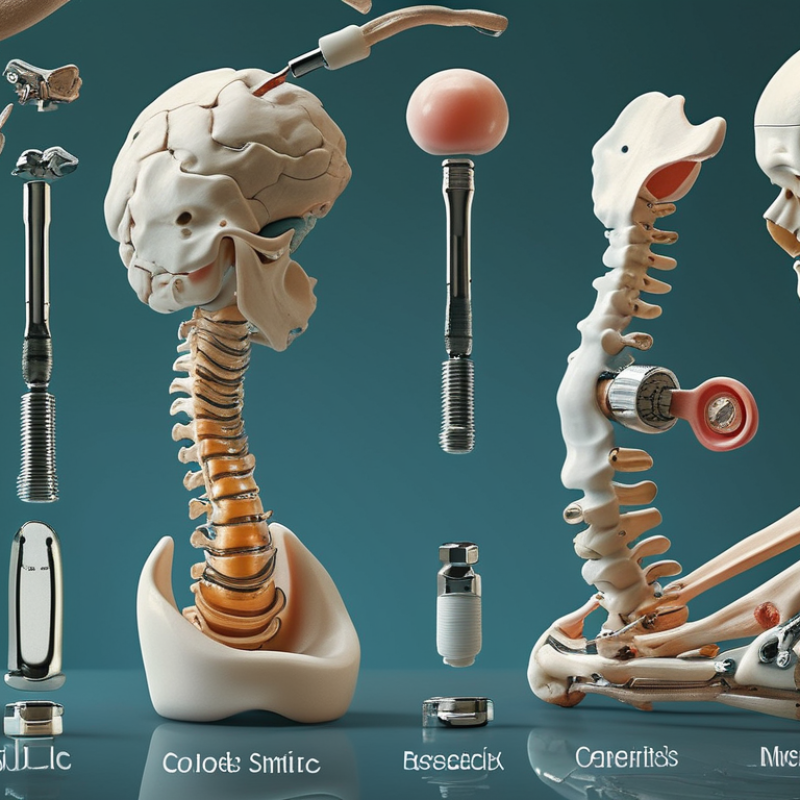
5 Best Tips for Choosing Spine and Joint Implants?

Define the Clinical Need and Implant Goals

Tip 1: Define the clinical problem before discussing an implant. Is the goal to restore stability, relieve nerve compression, replace damaged cartilage, or preserve motion? A clear diagnosis prevents technology from driving the decision. Clinical examination, medical history, and suitable imaging should support this definition.

Tip 2: Set measurable implant goals with the treatment team and patient. Goals may include walking farther, reducing arm numbness, improving spinal alignment, or returning to specific daily activities. Bone quality, infection risk, previous surgery, and expected healing time also matter. A technically successful procedure may still disappoint if the patient expects complete pain relief.

Tip 3: Compare the implant plan with nonoperative care and alternative procedures. Surgeons should explain likely benefits, limitations, revision risks, and follow-up requirements in plain language. Patient preferences deserve serious attention, not a rushed signature. I have seen planning become too device-focused, and that is worth questioning. The best choice is not always the most complex option. Reliable decisions come from current clinical evidence, careful examination, and honest discussion of uncertainty.

Compare Implant Materials, Designs, and Compatibility

5 Best Tips for Choosing Spine and Joint Implants

Compare implant materials, designs, and compatibility before choosing a spine or joint implant. Material selection matters.

Titanium offers strength and generally supports imaging compatibility, while cobalt-chrome provides high wear resistance. Ceramic surfaces can reduce wear in some joint applications, but they may be less forgiving under impact. PEEK is common in spinal devices because its stiffness can resemble bone more closely. No material is perfect.

Design should match anatomy, movement, and bone quality. A porous surface may encourage bone growth, yet excessive porosity can reduce structural strength. Check fixation methods, implant geometry, and available sizes. Small differences matter.

A 2024 American Joint Replacement Registry report analyzed more than two million hip and knee procedures, showing why long-term revision tracking should influence implant decisions. However, those findings cannot be transferred directly to spinal surgery.

Compatibility requires more than fitting the bone. Confirm instrument compatibility, MRI conditions, imaging visibility, and interactions with existing hardware.

Ask whether the implant supports the planned surgical approach and future revision needs. FDA labeling and recognized testing standards, including ASTM and ISO methods, provide useful safety references.

Patient factors also matter, including allergies, osteoporosis, activity level, and prior surgery. Clinical judgment remains essential.

I would not treat registry data as a guarantee. Real-world outcomes vary with surgeon experience, patient biology, and follow-up quality.

Evaluate Evidence on Safety, Durability, and Outcomes

5 Best Tips for Choosing Spine and Joint Implants?

Evaluate Evidence on Safety, Durability, and Outcomes

Choosing an implant should begin with evidence, not impressive promises. Look for peer-reviewed studies, independent registries, and follow-up lasting several years. Short studies may miss loosening, wear, infection, or revision surgery. Ask how researchers defined success. Pain relief alone may not show restored movement or daily function.

Safety evidence deserves careful reading. Check reported complications, surgical risks, and patient selection criteria. A device tested mainly in healthy adults may not suit someone with osteoporosis, diabetes, or previous surgery. Ask whether results came from multiple hospitals. One experienced surgical team can produce unusually favorable outcomes.

Durability matters beyond the first year. Review revision rates, imaging findings, and mechanical failures. Compare outcomes with established treatment options, when reliable comparisons exist. Patient-reported outcomes also matter. Walking farther is useful evidence. So is returning to work without persistent pain.

Be cautious with polished statistics. Missing patients can make results appear better than they are. This is often overlooked. Discuss the evidence with a qualified spine or joint specialist. Ask what may happen if the implant fails, and how difficult revision surgery could become. No implant is perfect. Even strong evidence leaves unanswered questions.

Review Surgeon Expertise, Surgical Options, and Recovery

Choosing a spine or joint implant starts with the surgeon, not the device. Ask about training, annual procedure volume, complication rates, and revision experience. A specialist should explain why one surgical option fits your anatomy. They should also discuss non-surgical care, when reasonable.

Tip 1: Request a second opinion.
Tip 2: Ask for outcome data.
Tip 3: Clarify the surgeon’s preferred approach.

The 2024 National Joint Registry report includes more than three million recorded procedures. Its findings show that revision risk differs with age, diagnosis, fixation method, and implant design. This makes population averages useful, but never fully personal. For spine surgery, ask whether decompression, fusion, or motion-preserving treatment matches your imaging and symptoms. A clear scan does not always explain severe pain.

Tip 4: Compare surgical options, not only implants.
Tip 5: Plan recovery before surgery.

Discuss walking limits, physical therapy, driving, work demands, and warning signs. The American College of Surgeons’ National Surgical Quality Improvement Program reports that complications often depend on health status, smoking, diabetes, and functional condition. Improve what you can before surgery. Recovery is not automatic. Pain may improve slowly, and expectations sometimes need revision. Ask how progress will be measured at six weeks, three months, and one year.

5 Best Tips for Choosing Spine and Joint Implants

A practical checklist for reviewing surgeon expertise, surgical options, implant evidence, risks, and recovery planning.

The values show the number of practical questions included in this educational checklist; they are not clinical success rates or brand comparisons.

Confirm Costs, Follow-Up Care, and Long-Term Support

Choosing a spine or joint implant is not only a surgical decision. It is a multi-year financial and clinical commitment. Tip 1: Request a written estimate before consent. Include the implant, surgeon, hospital, anesthesia, imaging, rehabilitation, medicines, and possible revision surgery. OECD Health at a Glance 2023 reports average health spending reached 9.2% of GDP across OECD countries. Costs can vary sharply between health systems. Tip 2: Ask which items insurance excludes. Confirm deductibles, travel expenses, time off work, and emergency coverage.

Tip 3: Get a specific follow-up schedule. Ask who reviews wound changes, pain, weakness, or reduced mobility. Confirm the cost of X-rays and consultations after discharge. The World Health Organization estimates that one in ten patients experiences harm during healthcare, with more than half considered preventable. Do not ignore small symptoms. Tip 4: Clarify long-term support. Ask whether your clinic keeps implant records, provides a device identification card, and coordinates care if your surgeon moves. The 2024 National Joint Registry report contains data from more than three million hip and knee procedures, showing why long-term monitoring matters.

Tip 5: Compare outcomes, not promises. Request revision rates for patients with similar age, diagnosis, activity, and bone quality. Ask how complications are managed and who pays for additional treatment. In practice, a low initial quote may become expensive after rehabilitation or travel. I would not rely on verbal assurances alone. Written answers are safer. Perfect certainty is impossible, and that deserves honest discussion.

5 Best Tips for Choosing Spine and Joint Implants? - Confirm Costs, Follow-Up Care, and Long-Term Support

No. Selection Tip What to Confirm Cost and Care Considerations Useful Questions to Ask
1 Match the implant to the clinical need Confirm the diagnosis, treatment goal, implant type, fixation method, expected movement or fusion, and available alternatives. The choice differs between spinal fusion, disc replacement, joint replacement, and fracture fixation. A higher-priced device is not automatically more suitable. The estimate should identify the procedure, implant-related charges, facility fees, anesthesia, imaging, medicines, and rehabilitation separately. “Why is this implant appropriate for my diagnosis?”
“What non-surgical or alternative procedures are reasonable?”
“What are the main risks, benefits, and expected lifespan?”
2 Review safety and clinical evidence Verify that the implant is legally authorized for its intended use in the treatment location and that the surgeon can explain relevant clinical evidence, contraindications, recalls, and known complications. Ask whether additional tests, monitoring, or possible revision surgery could create future costs. Long-term outcomes may depend on bone quality, activity level, alignment, infection risk, and other health conditions. “What evidence supports this implant for my condition?”
“What complications are most relevant to me?”
“How are device problems or safety notices communicated?”
3 Confirm the complete cost before treatment Request a written, itemized estimate and check whether it includes the implant, surgeon, hospital or surgical-center fees, anesthesia, preoperative testing, imaging, medications, physical therapy, and follow-up visits. Coverage and out-of-pocket expenses vary by country, insurer, facility, procedure, and medical necessity. Check deductibles, co-insurance, prior authorization, network status, exclusions, and revision-surgery coverage. “Which charges are bundled and which are separate?”
“What costs could occur if recovery is delayed?”
“What is covered if an additional procedure becomes necessary?”
4 Assess the follow-up and rehabilitation plan Obtain a written schedule for wound checks, imaging, activity restrictions, physical therapy, return-to-work guidance, and symptoms that require urgent medical attention. Follow-up timing varies by procedure and recovery. Many patients have an early postoperative review, additional assessments during the first several weeks, and later visits to evaluate healing, function, or fusion. “Who handles questions after discharge?”
“Which visits and rehabilitation services are included?”
“When will imaging be repeated, and who reviews the results?”
5 Check long-term support and revision planning Confirm how records, implant details, serial or lot information, future imaging, second opinions, and revision assessments will be managed over time. Implants can require monitoring for loosening, wear, migration, infection, fracture, nerve symptoms, loss of alignment, or persistent pain. A revision procedure may be more complex than the original operation. “How can I obtain my implant and operative records?”
“What symptoms should prompt an urgent review?”
“What support is available if I move or need another specialist?”

Note: Costs, follow-up schedules, implant suitability, recovery time, and revision risk vary by patient, procedure, healthcare system, and surgeon. Use this checklist to support a discussion with a qualified spine or orthopedic specialist; it is not a substitute for individualized medical advice.

FAQS

What should be defined before discussing a spine or joint implant?

Define the clinical problem first. It may involve instability, nerve compression, damaged cartilage, or motion loss. A clear diagnosis should guide technology.

How are realistic implant goals established?

Set measurable goals with the treatment team and patient. Examples include walking farther, reducing numbness, improving alignment, or resuming daily activities. Complete pain relief may not be realistic.

What patient factors can affect implant planning?

Bone quality, infection risk, previous surgery, medical conditions, and healing time all matter. Osteoporosis or diabetes may change expected outcomes.

Should nonoperative care be considered before implantation?

Yes. Compare the implant with nonoperative care and other procedures. The discussion should include benefits, limits, revision risks, and follow-up needs.

What evidence should patients review before choosing an implant?

Look for peer-reviewed studies, independent registries, and several years of follow-up. Short studies may miss loosening, wear, infection, or later surgery.

How should implant safety evidence be interpreted?

Review complications, surgical risks, and patient selection. Results from healthy adults may not apply to someone with osteoporosis or previous surgery.

Why do durability and revision rates matter?

An implant may work well during its first year but fail later. Check revision rates, imaging results, mechanical failures, and the possible difficulty of further surgery.

Which outcomes matter beyond pain relief?

Consider movement, walking distance, work, and daily activities. Pain relief alone may not prove restored function. That distinction is easy to miss.

Can strong statistics guarantee a successful result?

No. Missing patients can make results look better. One skilled hospital may also report unusually favorable outcomes. Uncertainty remains.

Conclusion

Choosing the right implant for a spinal or joint procedure begins with clearly defining the clinical need, treatment goals, and patient-specific factors. The decision should consider whether the implant supports stability, mobility, pain relief, or long-term function. It is also important to compare available materials, structural designs, sizing options, and compatibility with the patient’s anatomy and surgical plan. Understanding published evidence related to safety, durability, performance, and patient outcomes can help guide a balanced choice.

Patients should also evaluate the surgeon’s experience, the available surgical approaches, expected recovery process, and possible rehabilitation needs. Before proceeding, confirm the total cost, insurance considerations, follow-up schedule, maintenance requirements, and availability of long-term clinical support. In short, How to choose orthopedic implants for spinal and joint procedures depends on combining medical evidence, personalized treatment goals, professional expertise, and realistic expectations for recovery and future care.

Aria

Aria

Aria is a dedicated marketing professional with a deep passion for innovative strategies and a keen understanding of our company's product offerings. With a wealth of experience in the industry, Aria excels at crafting engaging content that highlights the unique features and benefits of our......